
Diabetes Management: Everyday Food, Activity and Ayurvedic Perspectives

Introduction
Diabetes affects how the body regulates blood glucose. With a suitable care plan, many people can manage their blood sugar and reduce the risk of complications. The plan may include food choices, physical activity, monitoring, medicines and regular check-ups.
An important point: diabetes management is not about finding one miracle food or herb. It is about building routines that work for your health, medication, culture and daily life. The guidance below is general and should be personalised with your healthcare team.
Understand the basics of blood glucose
Blood glucose is influenced by the amount and type of carbohydrate eaten, activity, sleep, stress, illness and medicines. Monitoring helps you and your clinician understand patterns and make informed decisions.
Your target range and how often to test depend on your type of diabetes, treatment, age, pregnancy status and other health factors. Use the targets and monitoring schedule recommended for you rather than copying someone else’s numbers.
Build balanced meals
Try to make meals regular and balanced. A practical plate approach often includes non-starchy vegetables, a source of protein and a portion of carbohydrate foods such as whole grains, beans or other staples. Portion sizes and carbohydrate needs vary from person to person.
Helpful habits include:
- Choose vegetables, pulses, whole grains and minimally processed foods more often.
- Limit sugary drinks and reduce foods high in added sugar.
- Notice how portions and meal combinations affect your glucose readings.
- Plan meals around your schedule so you are less likely to skip meals or rely on convenience foods.
- Ask a registered dietitian or diabetes educator to adapt advice to your food preferences.
Movement, sleep and stress management
Regular physical activity can improve health and help with blood glucose management. Choose activities you can maintain, such as walking, cycling, swimming or strength exercises, while considering your fitness and any complications. If you use insulin or medicines that can cause low blood sugar, ask how to prevent and manage hypoglycaemia during exercise.
Consistent sleep and stress-management habits also matter. Build a regular sleep schedule, take short movement breaks if you sit for long periods, and consider breathing exercises or other stress-reduction practices that suit you.
Where Ayurveda fits—and where it does not
Ayurveda has traditional approaches to diet, daily routine and herbal preparations. Some people explore these alongside conventional diabetes care. However, no herbal product should be assumed to control diabetes, prevent complications or replace insulin or prescribed medicines.
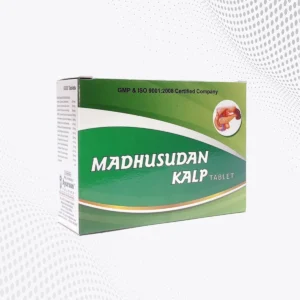
Herbal products can interact with diabetes medicines and may affect blood glucose. Before using any supplement or Ayurvedic medicine, show the full ingredient list to your doctor or pharmacist. Ayursun lists Madhusudan Kalp products in its Diabetes category; review product details with a qualified healthcare professional before considering use.
Do not miss routine diabetes care
Keep appointments and follow the monitoring plan agreed with your clinician. Depending on your situation, care may include HbA1c testing, blood pressure and cholesterol checks, kidney assessment, eye screening and foot checks. Take medicines as prescribed, even when you feel well.
Seek urgent help if you develop symptoms of severe low blood glucose, confusion, fainting, difficulty breathing, persistent vomiting or other signs your care team has identified as an emergency.
Frequently asked questions
Q: Can diet alone manage diabetes?
A: Some people may manage early type 2 diabetes with lifestyle changes, but many need medicines. Never stop or change treatment without medical advice.
Q: Are bitter gourd or fenugreek a replacement for diabetes medicine?
A: No. Foods can be part of a balanced diet, but they are not a substitute for prescribed treatment. Concentrated supplements may interact with medicines.
Q: How often should blood sugar be checked?
A: It depends on the type of diabetes nd treatment. Follow the schedule recommended by your healthcare team.
Key takeaway
Diabetes care works best as a personalised routine: balanced meals, regular activity, glucose monitoring, prescribed treatment and preventive check-ups. Discuss Ayurvedic products with your healthcare team before use, and keep evidence-based diabetes care at the centre of your plan. Please take advice from Registered Medical Physician before taking any medication.
Articles You may Like




Related Products
- Quick View
- Wishlist
- Add to Cart This product has multiple variants. The options may be chosen on the product page

Share: