
Kidney Health: Understanding Kidney Stones and How to Reduce Your Risk
Introduction
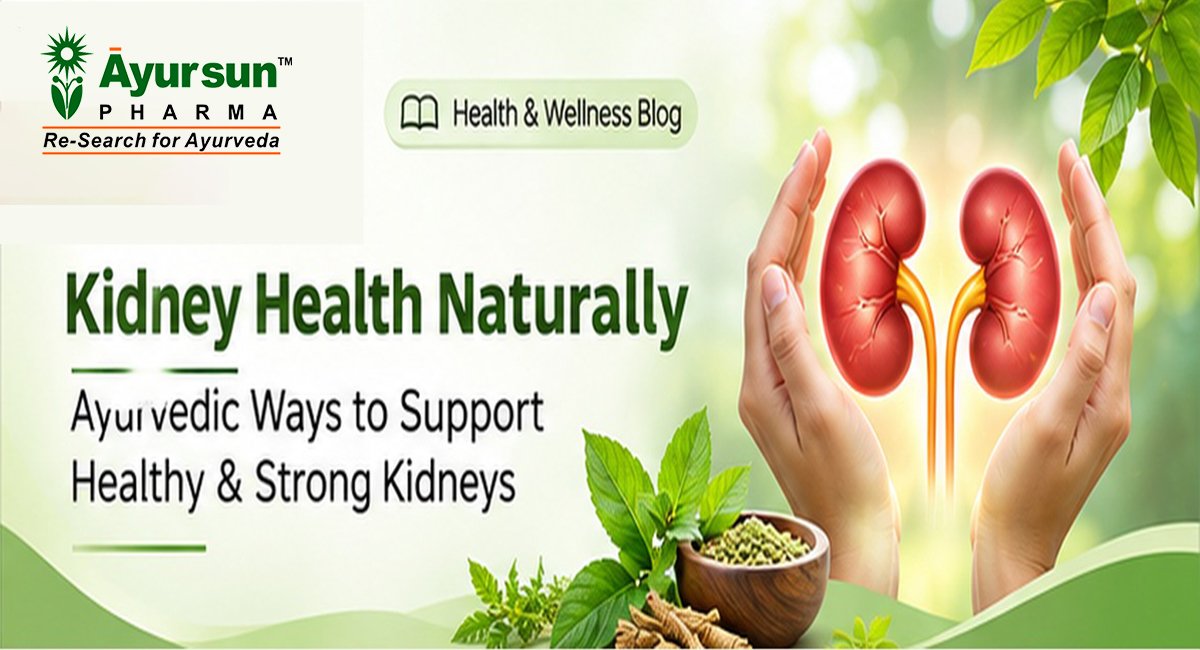
Your kidneys filter waste and extra fluid from the blood and help maintain the body’s fluid and mineral balance. Kidney stones form when minerals and salts in urine become concentrated and crystallise. Some stones pass without major problems, while others can cause severe pain or block urine flow.
Kidney stones are not all the same. Their composition and the reasons they form influence prevention. This article explains common symptoms, risk factors and practical steps that may lower the chance of future stones.
Signs and symptoms to recognise
Small stones may cause no symptoms until they move within the kidney or enter the ureter. Possible symptoms include sharp pain in the back, side, lower abdomen or groin; pain that comes in waves; blood in urine; painful urination; frequent urges to urinate; cloudy or foul-smelling urine; nausea and vomiting.
Fever or chills alongside suspected stone symptoms may indicate infection and needs urgent assessment. Inability to pass urine, severe uncontrolled pain or persistent vomiting also requires prompt medical care.
Why do kidney stones develop?
Urine contains dissolved minerals and salts. When their concentration becomes too high, crystals can form and gradually develop into stones. Calcium oxalate is a common stone type, but uric acid, struvite and cystine stones also occur.
Risk factors can include not drinking enough fluid, a previous stone, family history, certain digestive conditions or surgeries, recurrent urinary infections, some medicines and particular dietary patterns. A stone analysis and medical evaluation can help identify the cause.
Practical steps that support kidney health
- Make hydration a daily priority. Water is generally the best choice for many people. The amount needed varies with climate, activity, health conditions and medicines. People with kidney or heart conditions may have fluid limits, so follow individual advice.
- Reduce excess salt. High sodium intake can increase urinary calcium in some people. Check packaged-food labels and limit very salty snacks and meals.
- Keep a balanced diet. Avoid extreme diets. The right amount of calcium, oxalate and animal protein depends on the type of stone you have.
- Maintain a healthy weight through sustainable food and activity habits.
- Ask whether your stone should be analysed. Prevention is more effective when tailored to the stone type.
Kidney care through an Ayurvedic lens
Traditional Ayurveda discusses urinary and renal wellness through concepts relating to fluid balance, digestion and Mutravaha Srotas. These ideas may be meaningful within traditional practice, but they do not replace modern testing such as imaging, urine analysis or blood tests.
Do not start herbal preparations or concentrated supplements for kidney stones without professional advice. Some ingredients can interact with medicines or be unsuitable for people with reduced kidney function. Ayursun’s website includes a Urinary product category; product selection should be discussed with a qualified clinician and should never delay evaluation of suspected stones.
When to see a healthcare professional
Seek urgent care for severe flank or abdominal pain, fever or chills, vomiting, blood in urine, or difficulty passing urine. If you have had a stone before, ask your clinician about follow-up testing and a personalised prevention plan. A clinician may use imaging, urine tests, blood tests or stone analysis to guide care.
Frequently asked questions
Q: Does drinking more water help prevent kidney stones?
A: Adequate fluid intake can dilute urine and is an important prevention measure for many stone types. Your personal fluid target should be set with a healthcare professional.
Q: Should everyone with kidney stones avoid calcium?
A: No. Dietary advice depends on stone composition. Do not remove calcium from your diet without professional guidance.
Q: Can herbal remedies dissolve kidney stones?
A: Do not rely on herbal remedies to dissolve stones. Evidence and safety vary, and stones can obstruct urine flow. Get a diagnosis and follow a clinician’s plan.
Key takeaway
Kidney stone prevention is individual. Hydration, sensible salt intake and a balanced diet can help, but the most useful plan is based on the type of stone and your health history. Seek prompt care for severe pain, fever, vomiting or difficulty urinating.
Please take advice from Registered Medical Physician before taking any medication.
Articles You may Like




Related Products

- Quick View
- Wishlist
- Add to Cart This product has multiple variants. The options may be chosen on the product page
- Quick View
- Wishlist
- Add to Cart This product has multiple variants. The options may be chosen on the product page
- Quick View
- Wishlist
- Add to Cart This product has multiple variants. The options may be chosen on the product page

Share: